
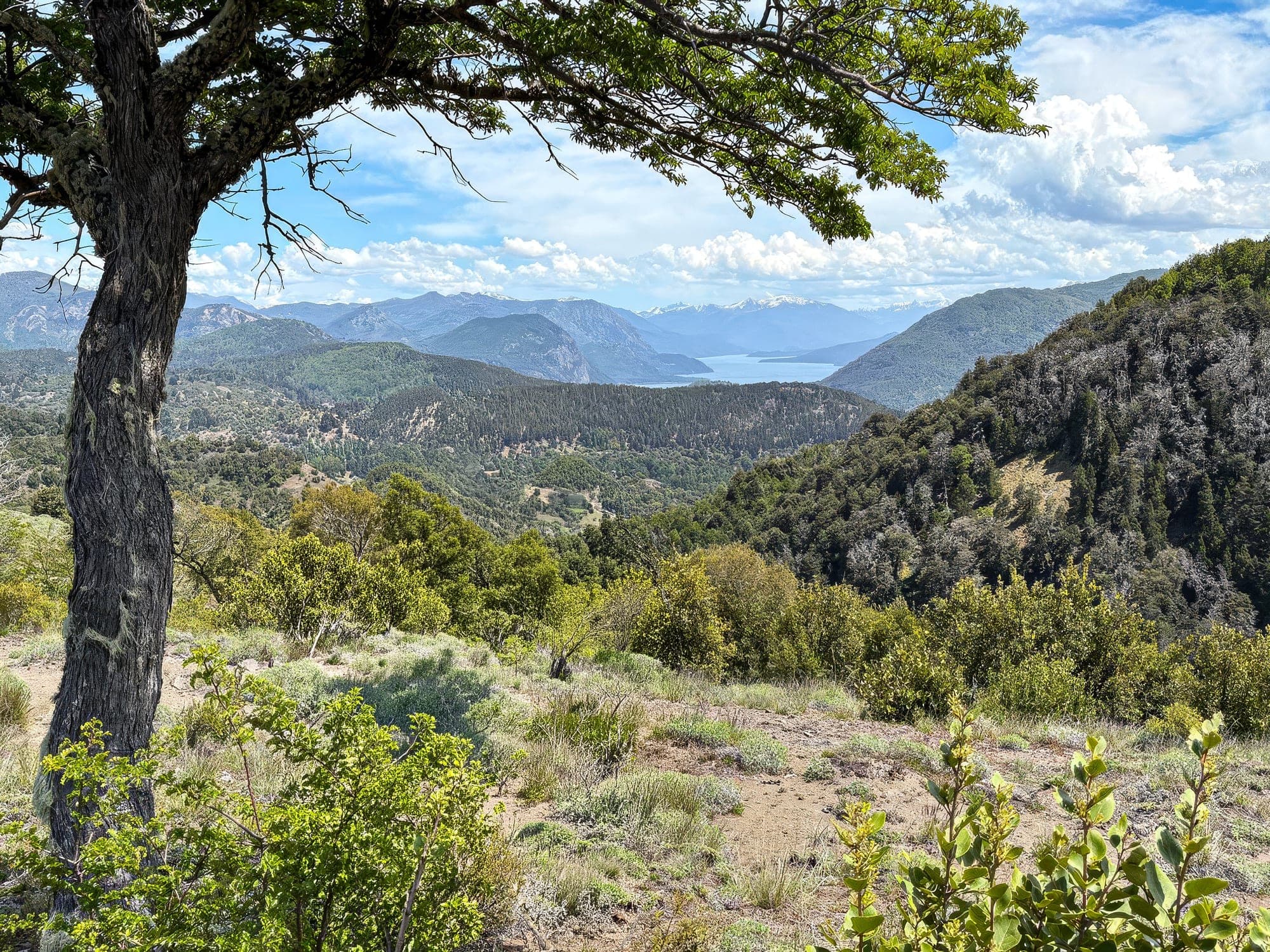
A beacon in the Andean-Patagonian forest.
Lighthouse is a regenerative real estate development on two hundred hectares of Andean-Patagonian forest, twenty minutes from San Martín de los Andes. Two hundred and fifty-five residences, a boutique lodge, and forty hectares held as permanent reserve. It is in structuring today: we are raising the capital and the partners to take it to master plan.
A beacon, and the name isn't decoration.
Lighthouse is the Patagonian corridor's habitat asset: the development where the standard gets set — how it is built, to what specification, and how far preservation reaches. What works here is what gets repeated at the other territories.
The project is designed and measured against five capitals — natural, human, social, built and financial — as well as return. That's the difference between a development with environmental talk and one that can show what improved, with what number, and over what period.
Master planning is being done by Regen Village OS together with a local architect, with a digital twin and an environmental impact study. It is the stage we are raising for: there is no approved master plan yet, and that work is exactly what this round funds.
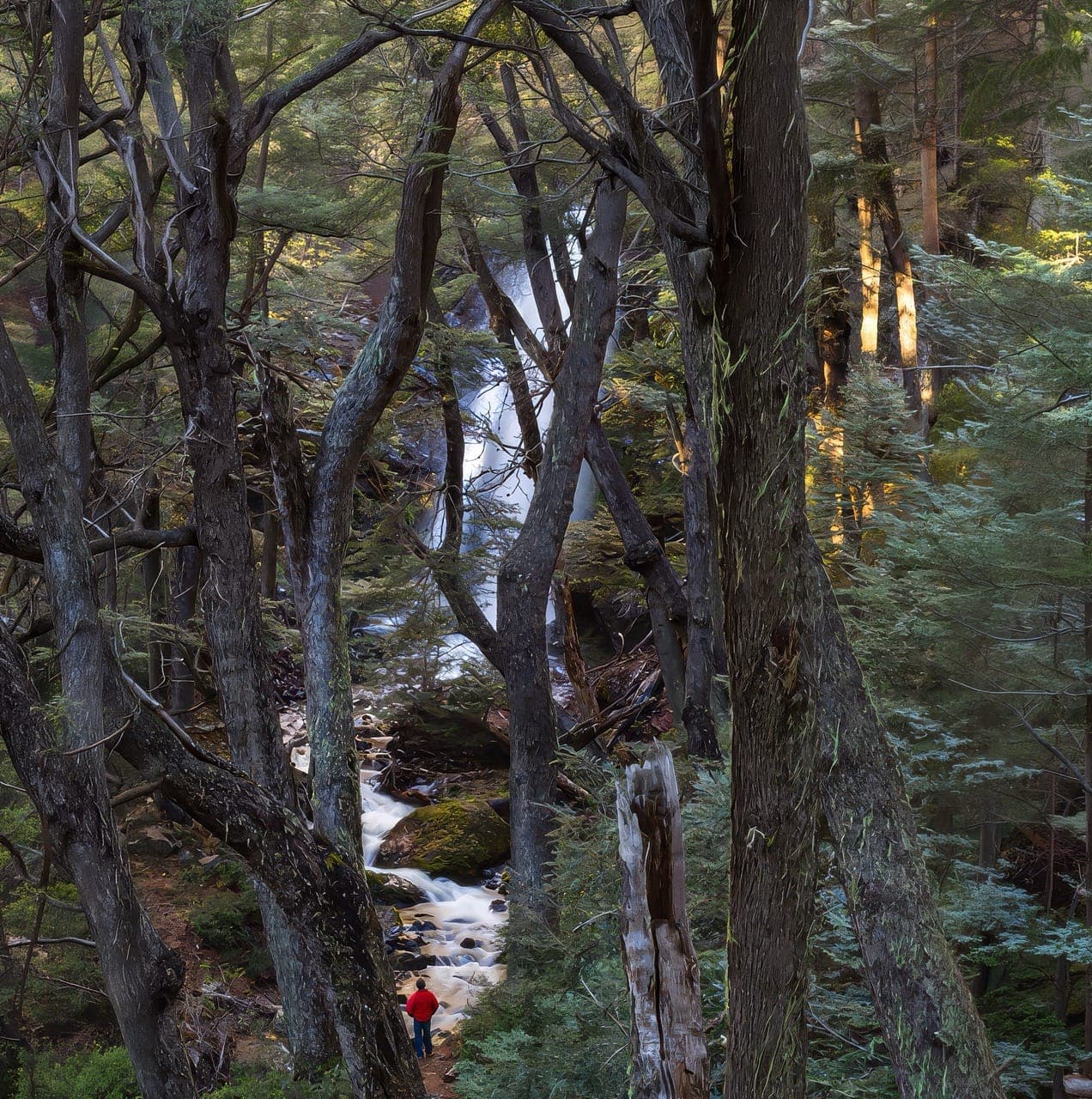
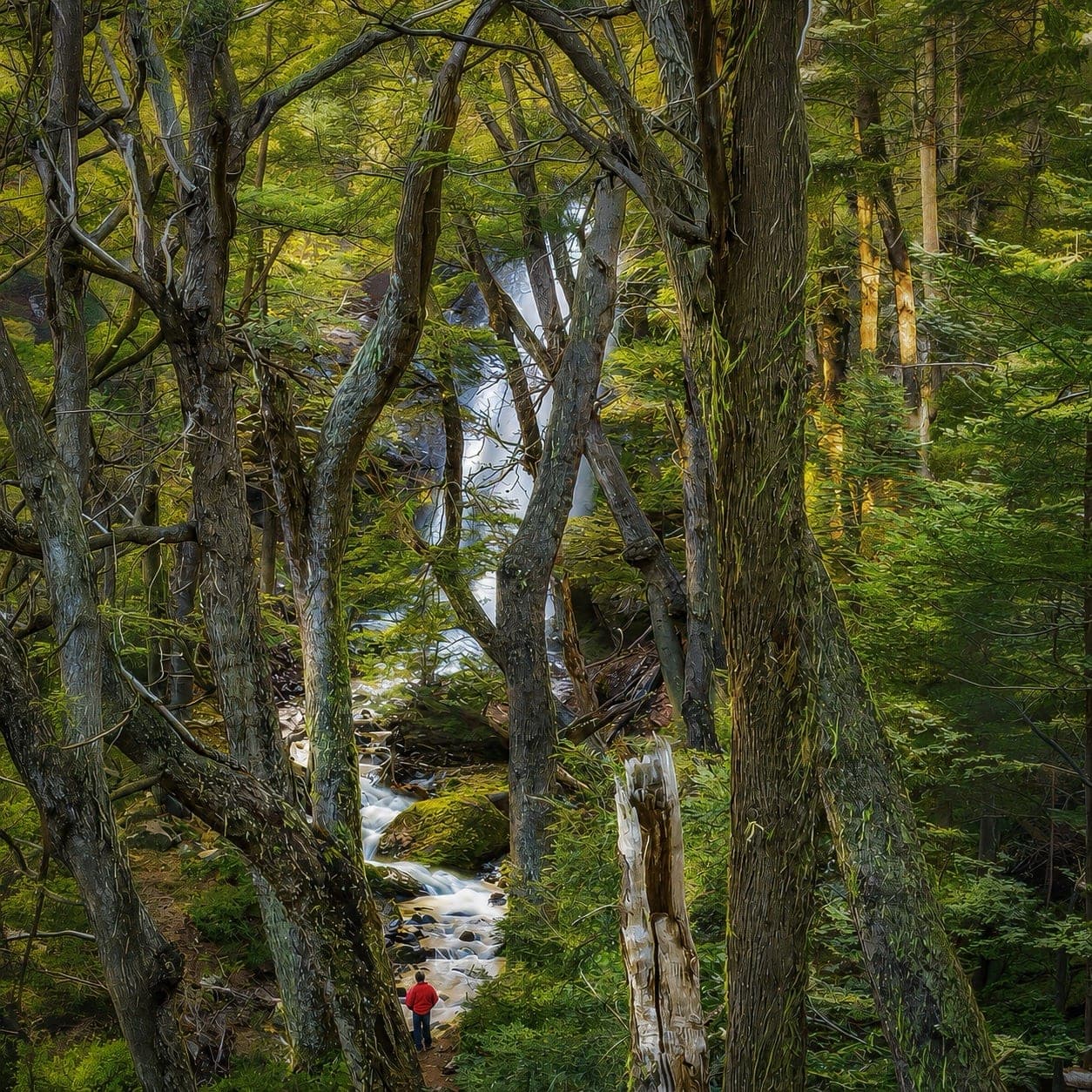
Native forest, eleven lagoons and a thirty-two-metre waterfall.
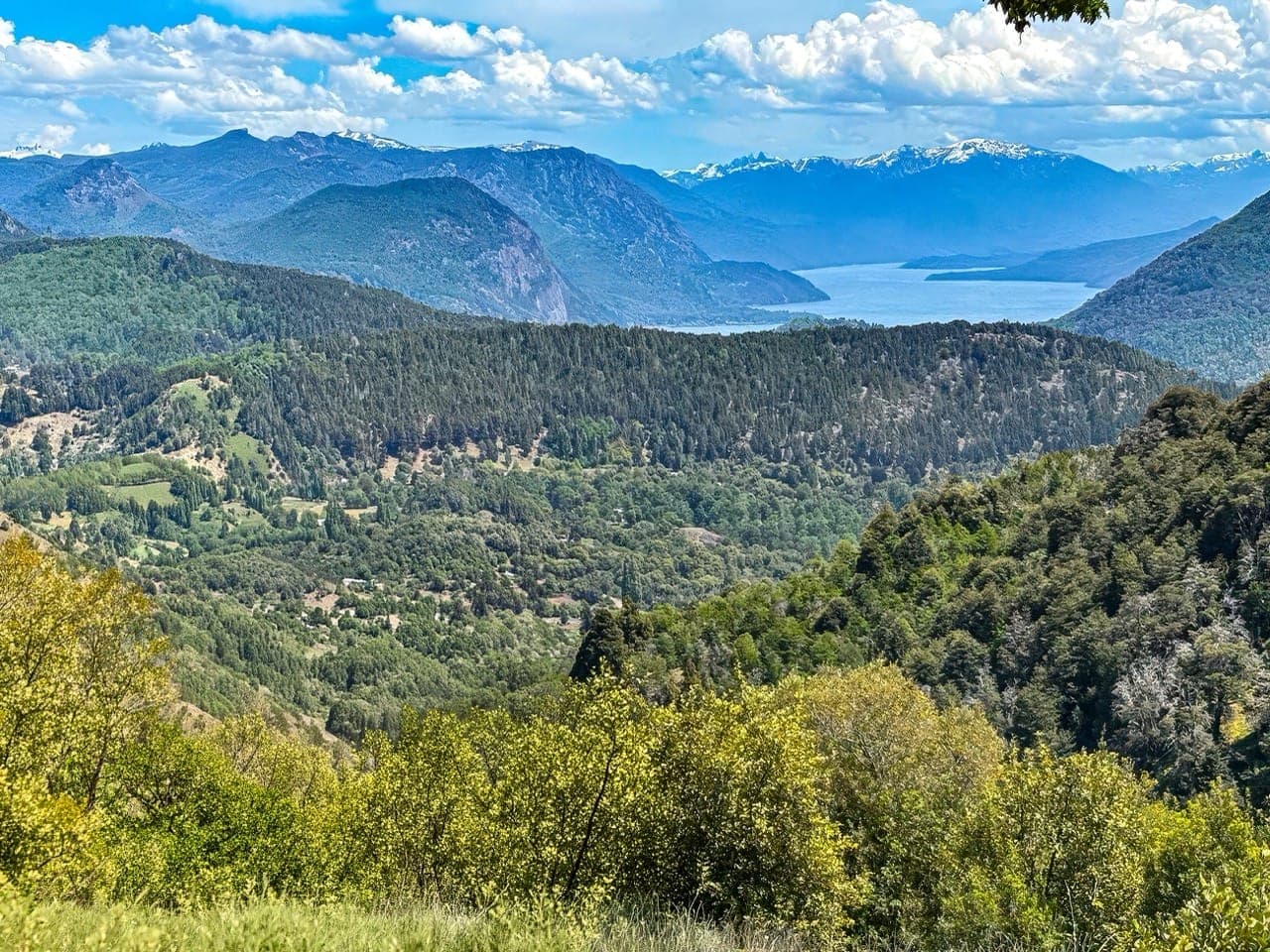
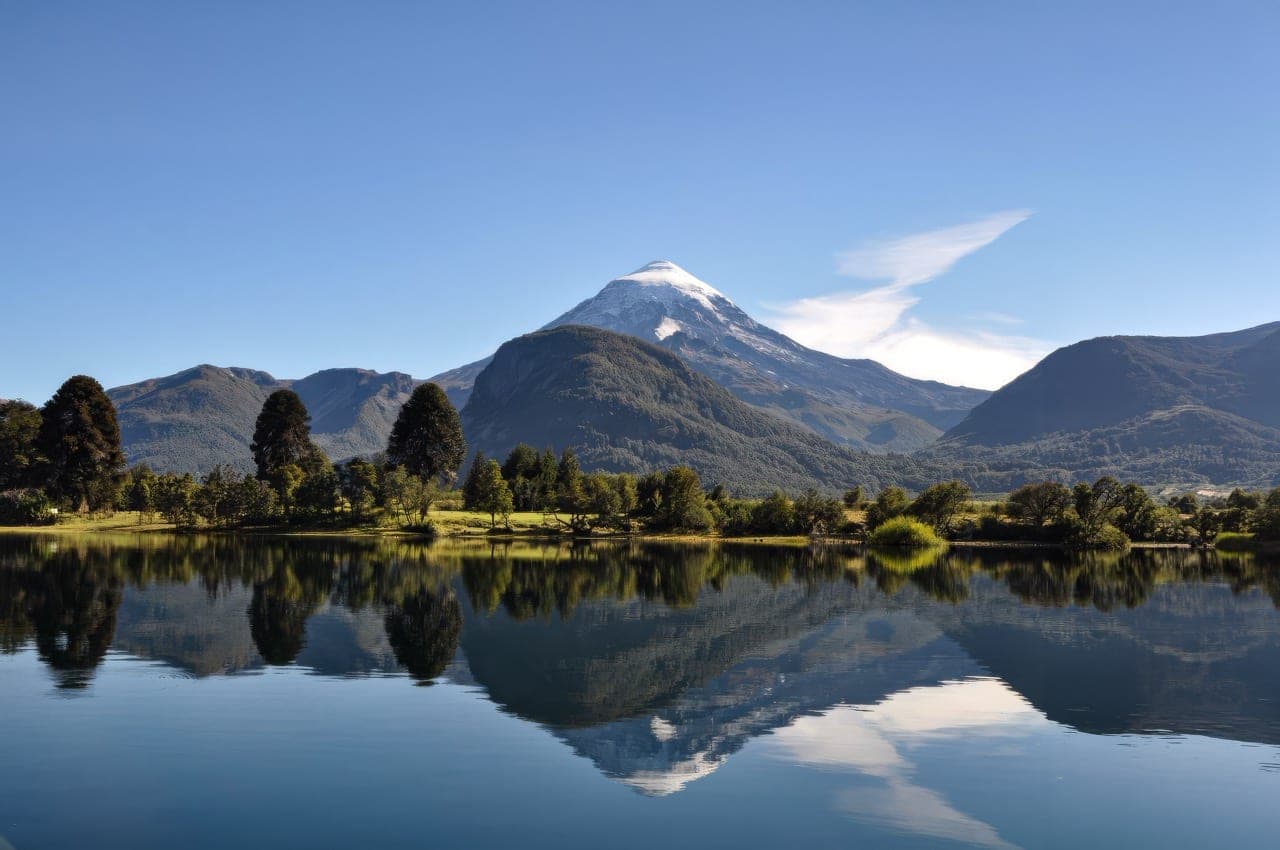
The property sits in Andean-Patagonian forest, inside a biodiversity hotspot. It has native forest, eleven lagoons, a river of its own and a thirty-two-metre waterfall. It neither borders Lanín National Park nor falls under its jurisdiction: the park is landscape context, not part of the project.
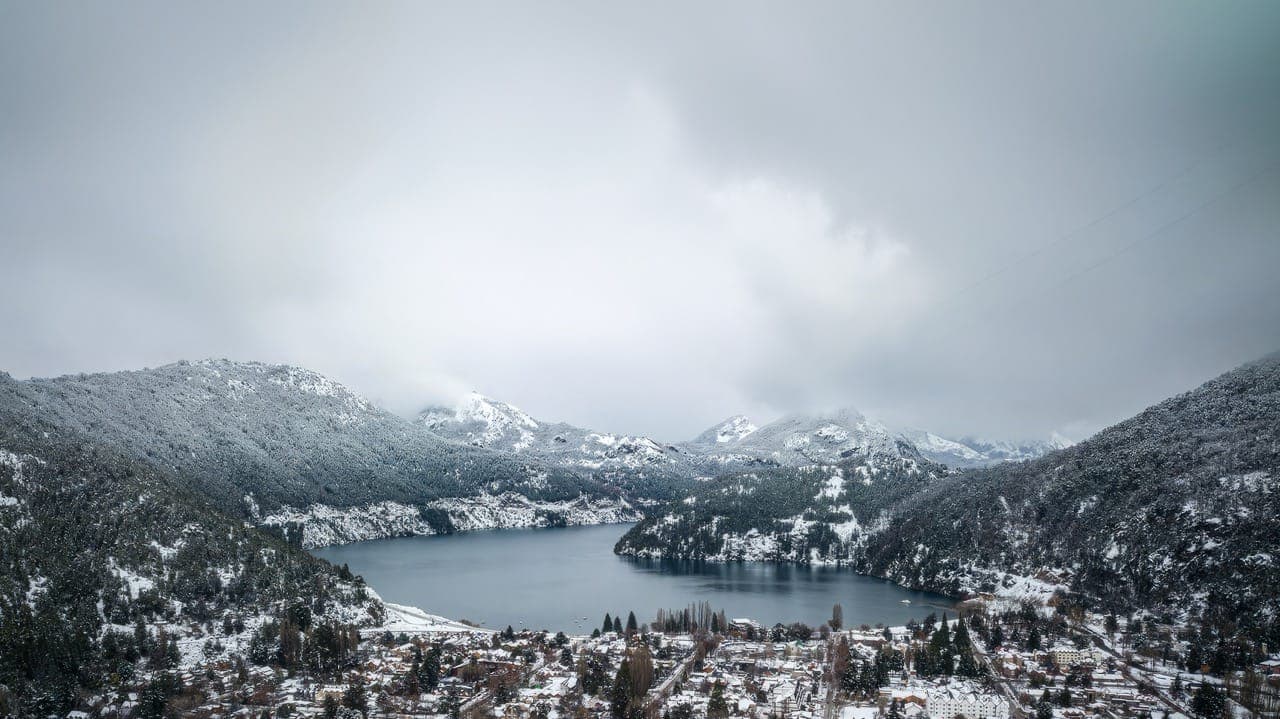
Twenty minutes from San Martín de los Andes, twenty-five from Chapelco airport and forty-five from the ski centre. It's the hard combination to find: real seclusion with a town full of services half an hour away.
The land sits outside Mapuche community territory and outside National Parks jurisdiction, with clean title and approval under the Native Forest Law.
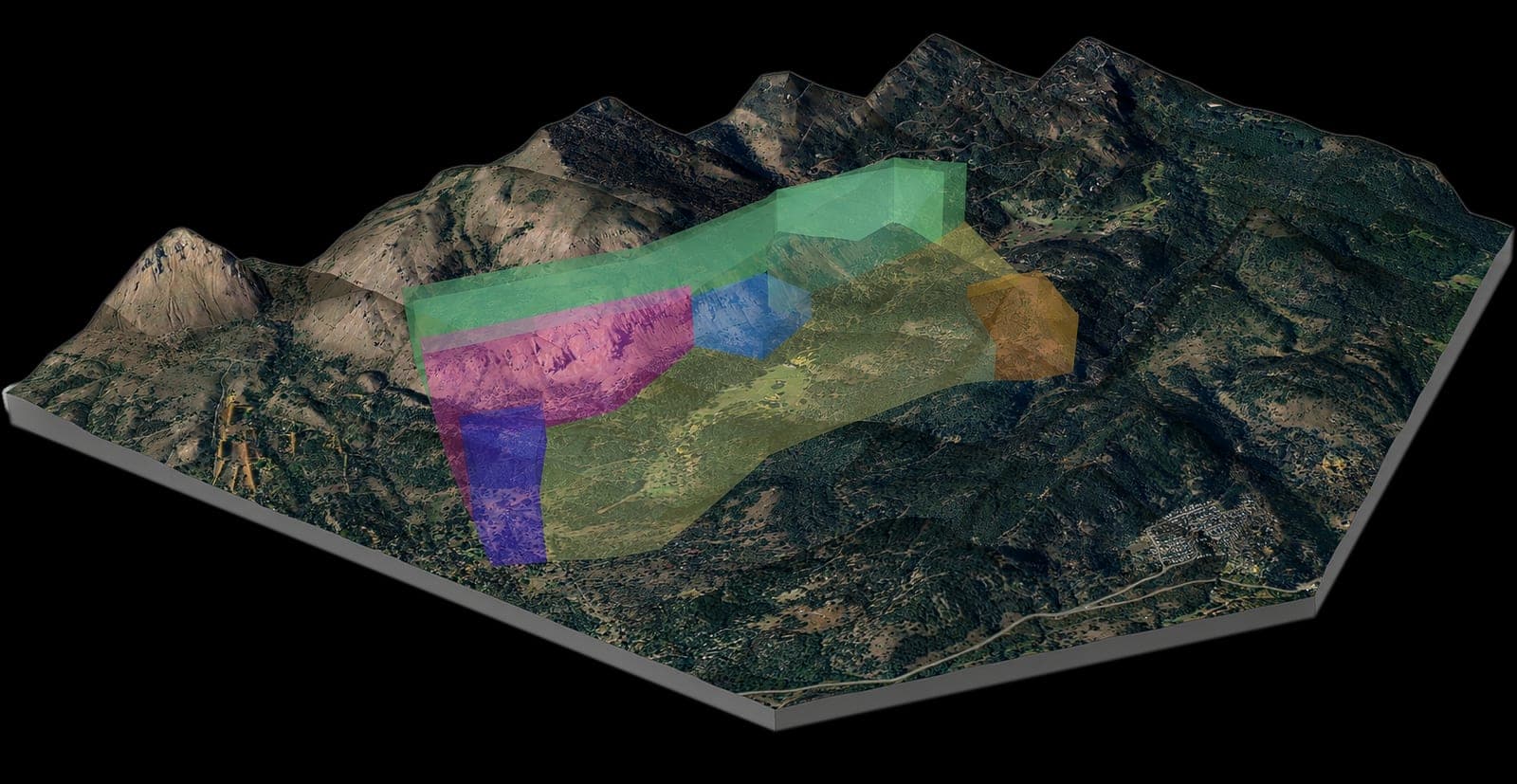
How the site is organised.
This is the preliminary land-use study, set on the property's actual terrain: which band goes to residences, which to hospitality, which to production, and what stays outside development altogether. It stays a preliminary study: the approved master plan is still to come, and the areas will move once the plan closes.
What it does settle is the criterion, and the criterion is what decides the value of the development: building concentrates on the lower band, the one that already has made roads and power arriving, and the closed forest higher up stays out. The reserve isn't an environmental concession bolted on at the end; it is what holds up the price of everything else.
The detail — plots, areas, phases and numbers — is worked out in the master plan and shared in the investment material, not on this page.
What is planned to be built.
This is the programme being worked through in the master plan: four components, developed in phases and financed separately. Counts and areas can move until the plan closes.
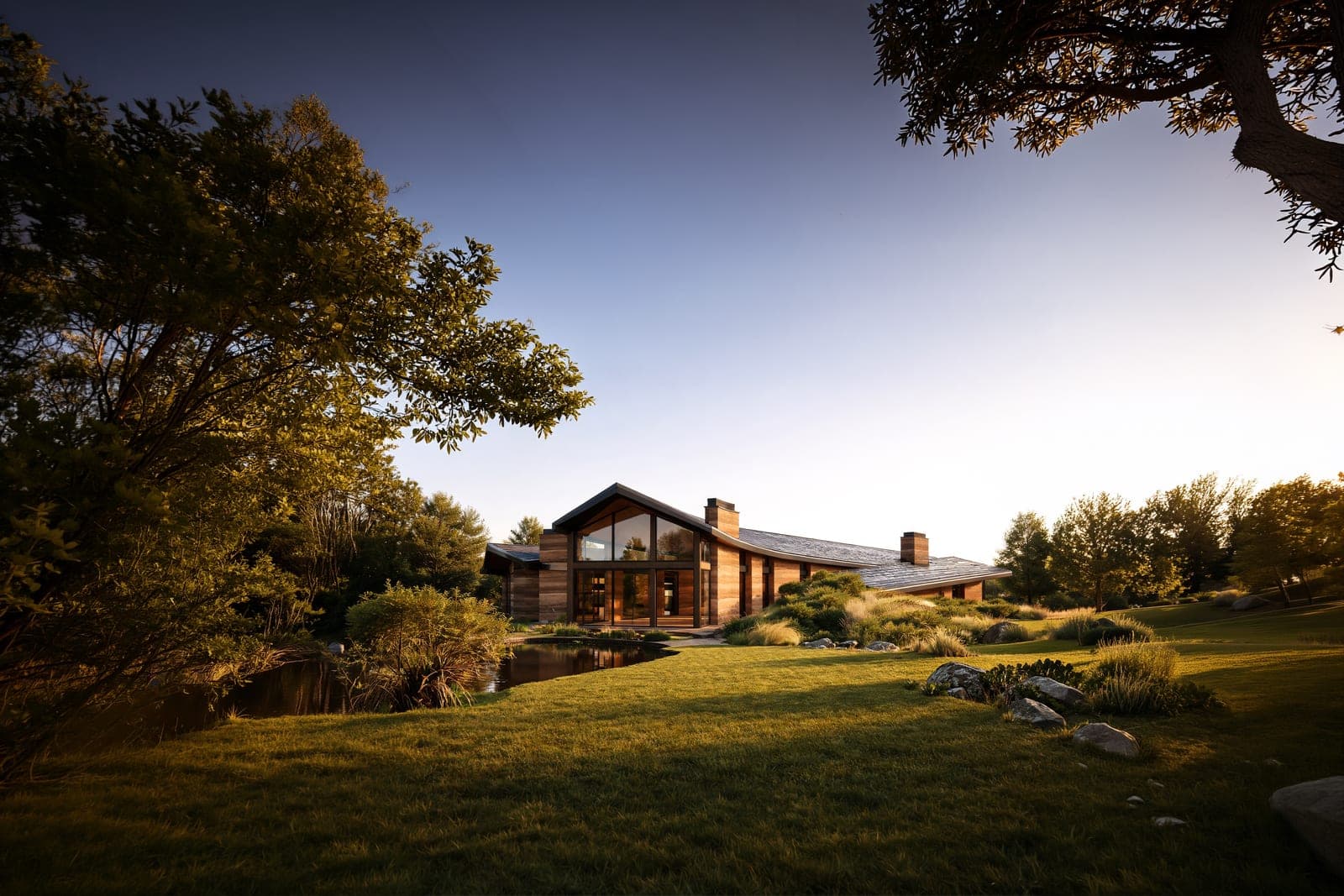
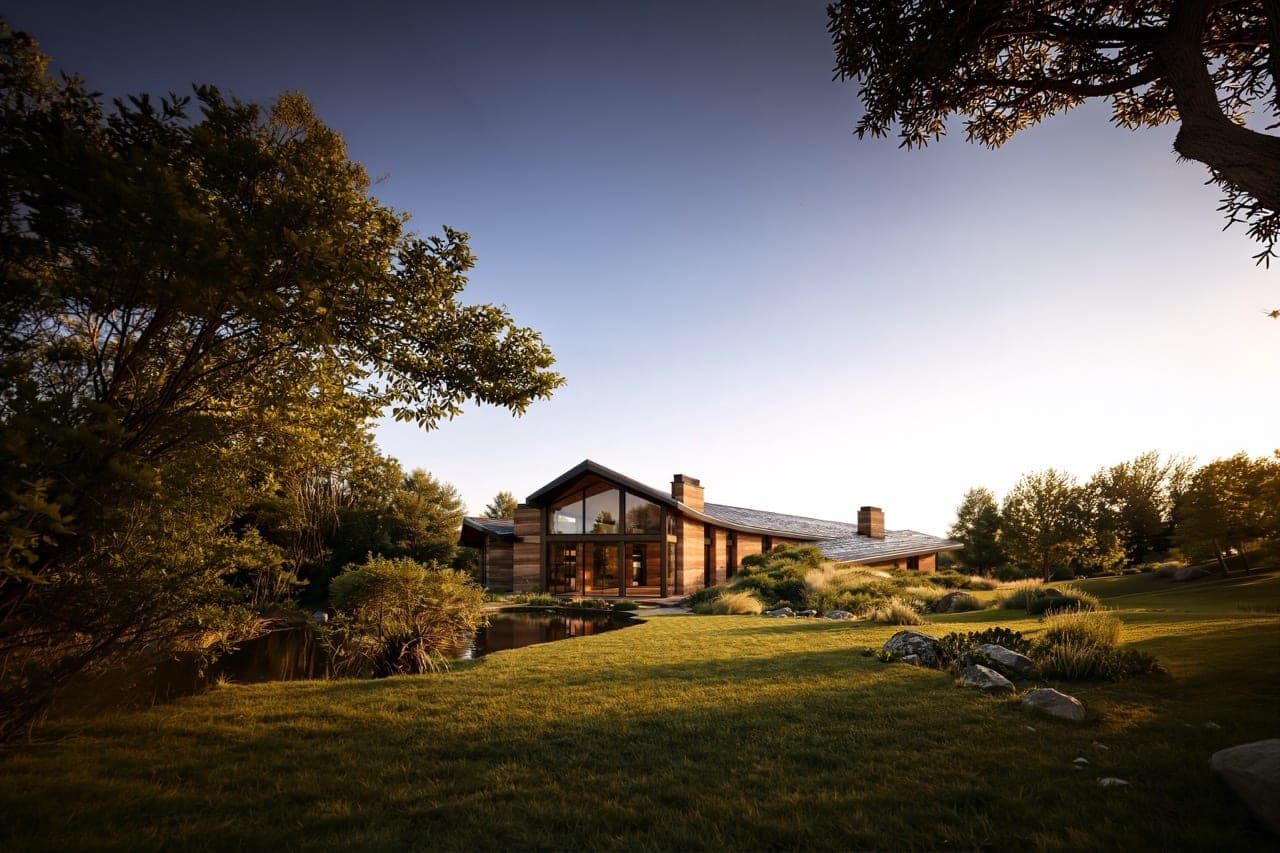
255 residences
The heart of the project, across several scales of home. The reference figure is the value of the house; the plot is separate. There is no price list and no units for sale yet.
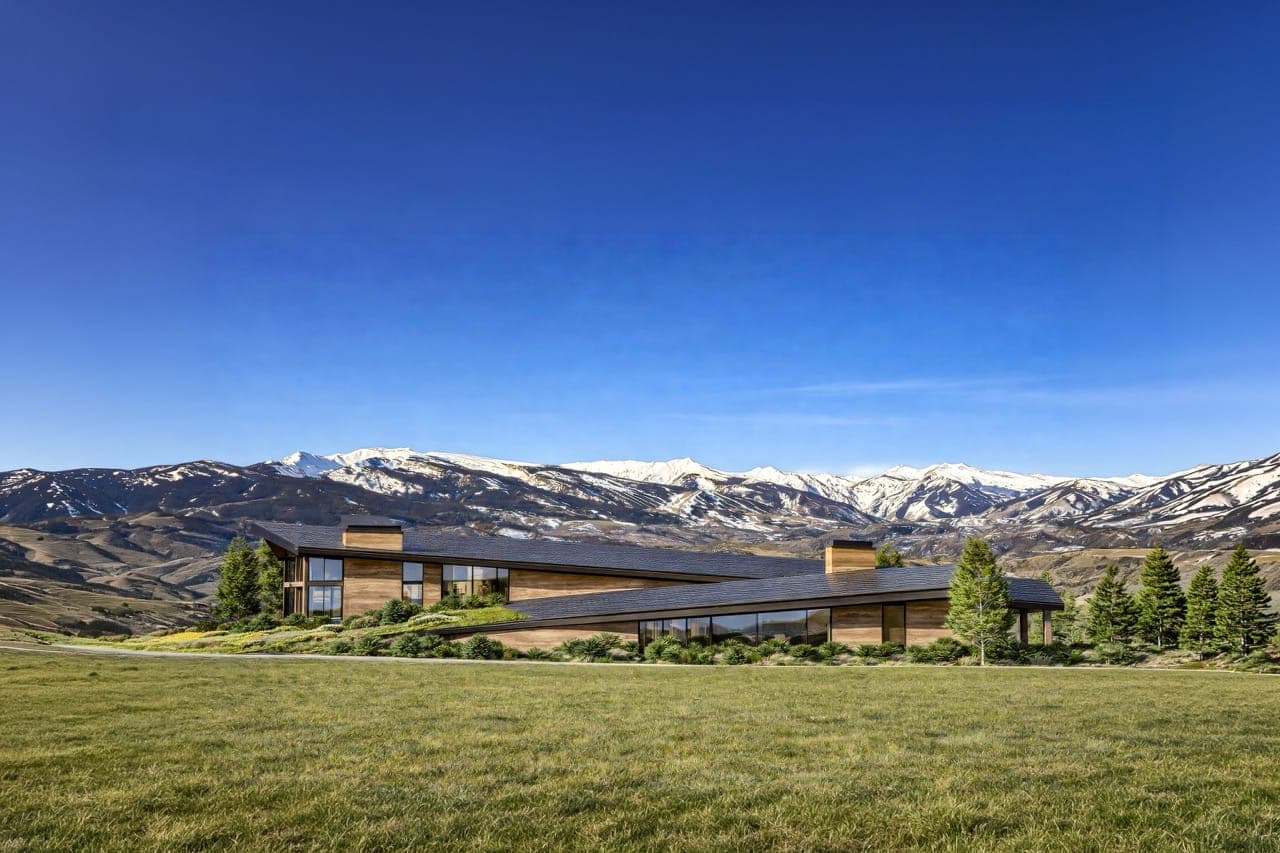
Boutique lodge
The project's accommodation, and the way in for anyone who wants to see it before deciding anything.
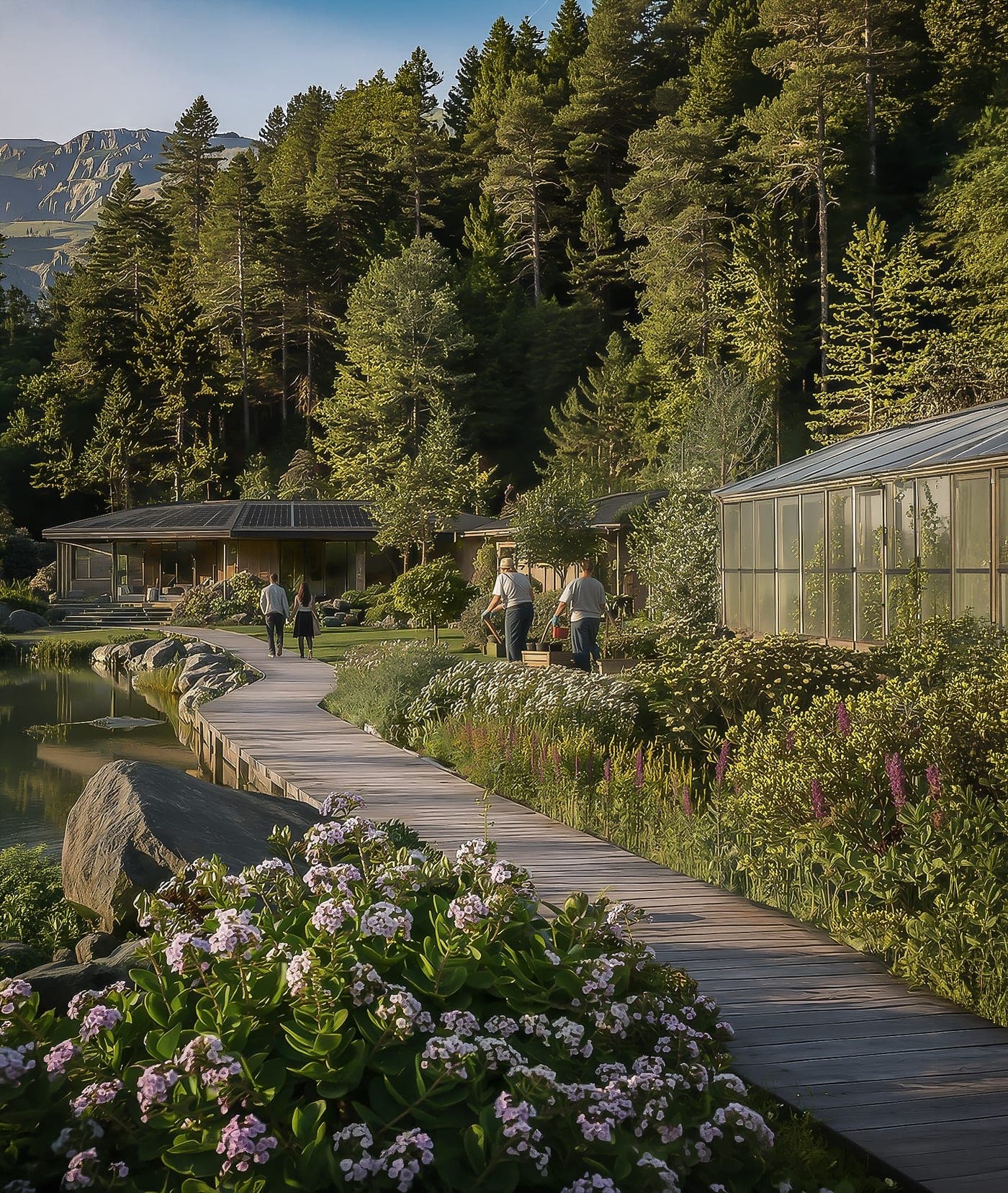
Wellness and longevity clinic
The health and longevity component, planned as a permanent service of the development rather than a seasonal amenity. It is also what holds up occupancy outside the high season.
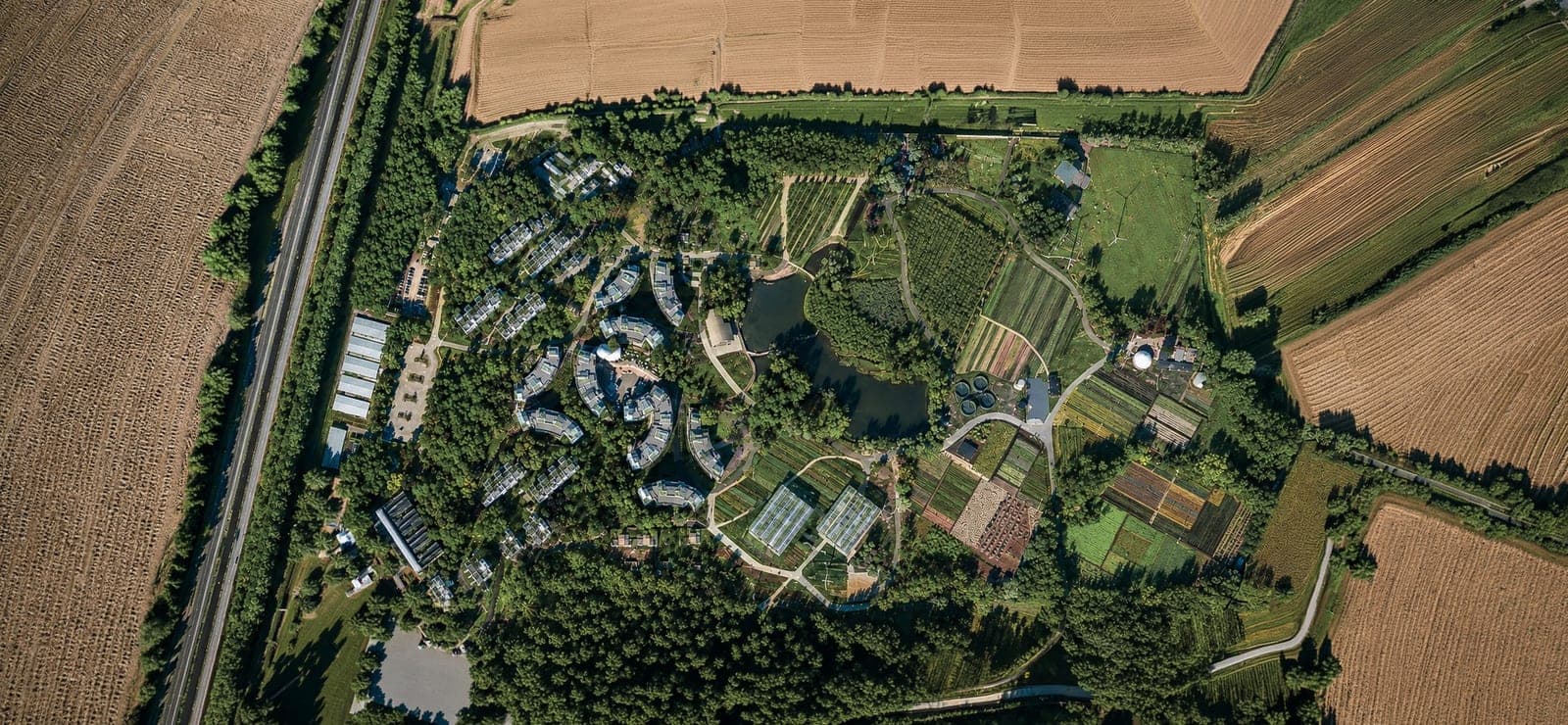
The corridor's commercial hub
Where production from the corridor's other territories — starting with the Río Negro Valley — reaches the end customer. It's what turns three developments into a system rather than three unrelated projects.
The site doesn't start from zero.
This is existing infrastructure on the property, and it's what separates a viable mountain project from one that has to build the access road before the first house.
6.5 km of made roads
The internal network is already open and driveable, not a line on a plan.
Medium-voltage power
Electricity reaching the property, which in the cordillera is among the most expensive and slowest things to solve.
1.5 km of buried fibre optic
Connectivity already laid underground. It decides whether you can work from here or only summer here.
Natural spring water
The property's own water, on top of the eleven lagoons and the river.
Forty hectares that never get developed.
Of the two hundred hectares, forty are held as permanent nature reserve. It's the part of the project that exists to stay as it is: permanent means it remains outside every future phase and outside any reclassification.
The rest is designed with the native forest as a constraint rather than an obstacle, with the environmental impact study built into the master plan from the start instead of filed at the end.
We'd rather publish the hectare than the percentage. An area figure can be checked by walking the site; a preservation percentage invites rounding up.
How it moves, and where it stands today.
- 01
Structuring
Through the end of 2026. The investment case is assembled and the capital for master planning is closed. Ground-breaking comes later.
- 02
Master planning
Through 2027. Soil and water measurement, technical studies, design, and the work with the community and with Neuquén's authorities. This is the stage that turns the thesis into a presentable project.
- 03
Founders' journey
March 2027. A journey through the territory with the people backing the project from the beginning. It's the first public milestone on the route.
- 04
Development
From late 2027. Infrastructure, land acquisition and the start of construction. Only then is there something to buy.
The dates are planning targets, not commitments: they depend on closing each stage's capital and on the province's permits.
The Lighthouse deck, in full.
Everything the project has so far: the property, the planned programme, the existing infrastructure and the forty hectares held in reserve. It opens in DocSend; there's nothing to download.
This is a project in preparation, not an offer: there is no approved master plan, no subdivision, and no units for sale. If you want to talk after reading it, write to us.
If you want to understand the project, let's talk.
There's nothing to reserve yet, and the material is right above. What comes next is a conversation: tell us where you're looking at this from and we'll set one up.
Arrange a conversation